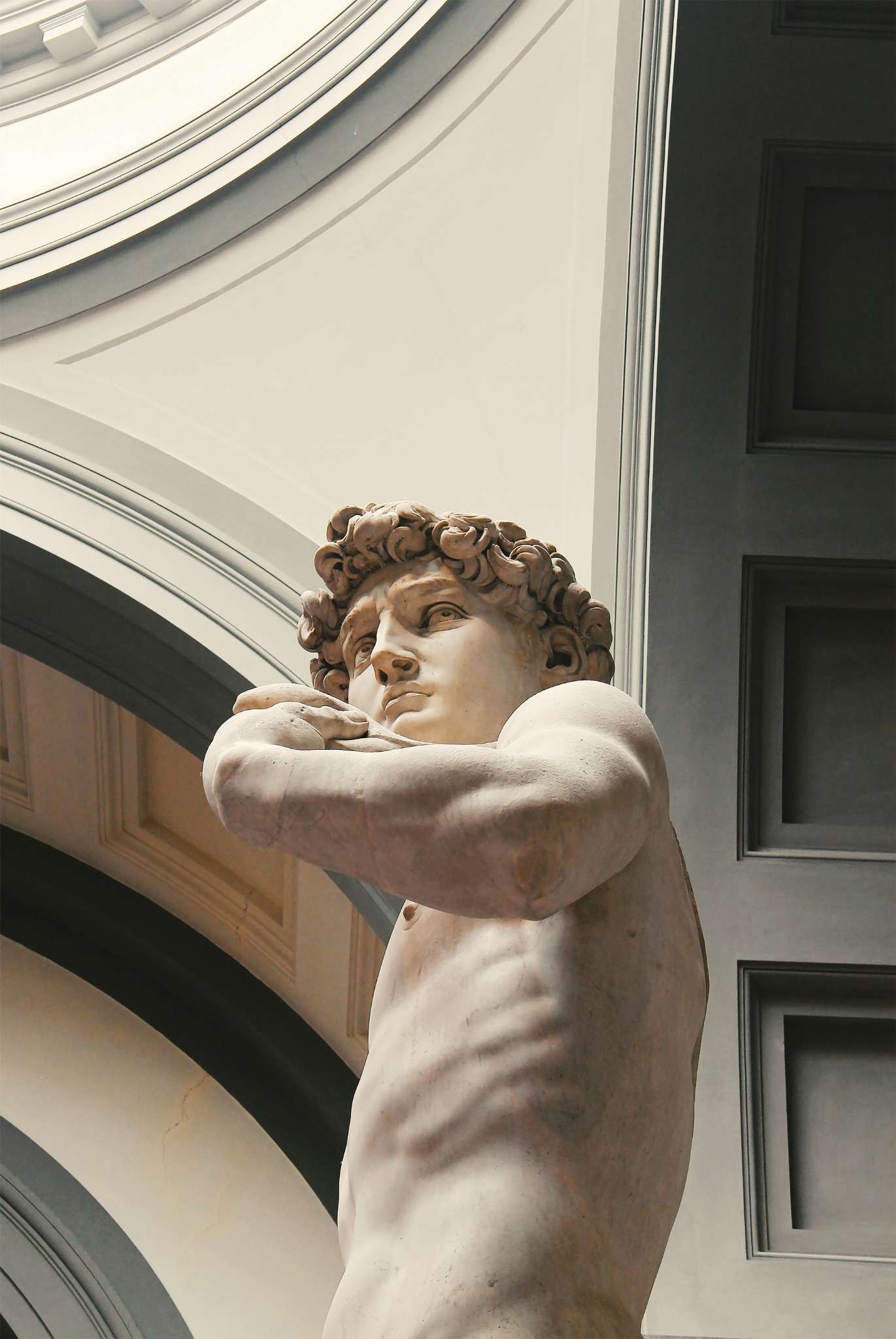
Photograph individual works and the whole room
A complete documentation set includes straight-on images of each work, installation views, details, wall labels, opening event shots if appropriate and images showing scale. Do not rely only on atmospheric room photos.
Artists need clean work images for portfolios. Curators and galleries need installation views that show relationships between works. Councils and funders often need evidence of public outcomes.
Light, colour and consistency
Avoid mixed lighting where possible. Shoot with stable exposure and colour balance. If colours matter, include careful editing and avoid over-stylising. A painting that looks dramatically different online can cause trust issues with buyers, galleries and judges.
For reflective works, glass, ceramics or sculpture, plan angles to reduce glare and show form. For video or digital works, capture both stills and installation context.
File management
Create folders by exhibition title and date. Keep raw files, edited master images and web versions separate. File names should identify artist, work, exhibition and sequence.
Record photographer credit and usage permissions. Documentation can become useless if you do not know who owns the image rights.